
The Art of Engineering: How Geosynthetics Reflect Human Creativity in Modern Infrastructure
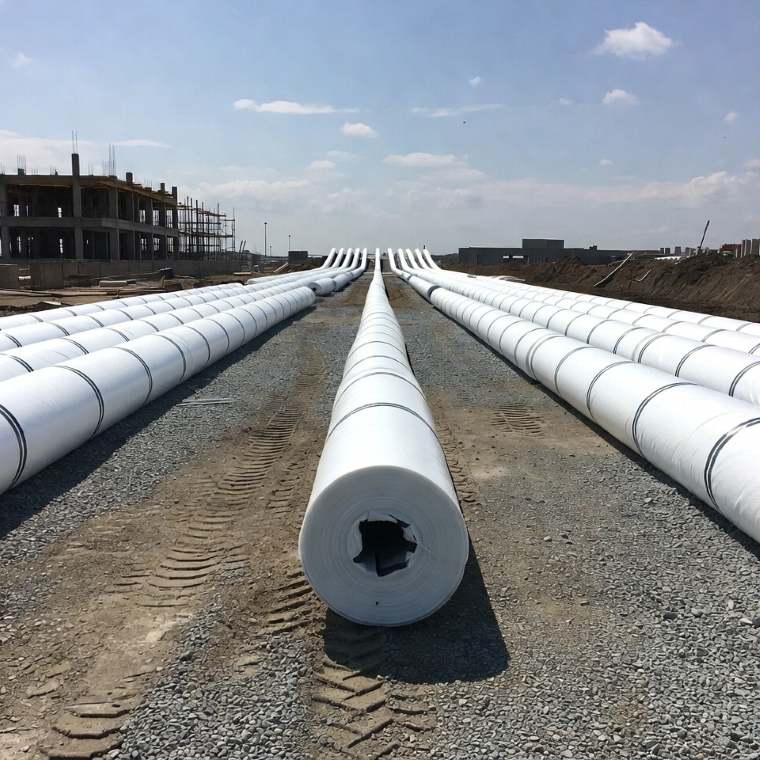
Artists and engineers often work with the same building blocks, shapes, lines, and patterns. This simple fact becomes clear when you look at how modern infrastructure uses geometry to solve problems and shape landscapes. The quiet beauty of engineered systems, especially those involving geosynthetics, shows how creativity guides construction in ways that feel both artistic and practical.
That artistic link becomes even clearer when you explore how geosynthetics for construction projects integrate design with function. These materials use structure, balance, and rhythm to stabilize soil, manage water, and support roads. Their shapes and layering processes echo many artistic principles, creating solutions that feel both intentional and expressive.
The Hidden Aesthetic of Structure
Geosynthetic systems look simple at a distance. Up close, their patterns reveal a striking visual rhythm. Engineers place them with careful spacing and direction. This creates a layered form that resembles textiles, sculptures, or even minimalistic art.
These materials interact with landscapes much like a sculptor interacts with raw stone. Every grid, sheet, or membrane is shaped to respond to pressure, weight, and motion. The result is a system that blends with the ground while guiding it. This balance between structure and environment mirrors the idea of composition in art. Both rely on harmony among elements.
Geometry as a Silent Language
Lines and angles play an important role in both engineering and visual art. Geosynthetics use consistent geometry to handle stress and distribute load. Their patterns are not random. They follow rules that allow them to support embankments, slopes, and foundations.
Artists use geometry to direct the eye. Engineers use it to direct forces. The shared language of shapes shows how creativity crosses disciplines. It shows that even practical materials can have visual logic and style.
The Creative Process Behind Geosynthetic Design
Designing these systems involves more than calculations. Engineers must visualize how layers interact. They must imagine how water will flow and how soil will shift. This process resembles sketching, planning, and adjusting a canvas until the composition feels right.
- Balance: Geosynthetic layers must distribute pressure without letting one area carry too much weight.
- Repetition: Patterns repeat to create strength. This is similar to repeated strokes or shapes in artwork.
- Contrast: Soft soil meets structured materials, creating a contrast that improves stability.
- Flow: Water movement needs to follow a predictable path, just like movement in a painting or design.
Each decision shapes the final outcome. This is a form of creativity. It proves that innovation grows from both engineering skill and artistic thinking.
The Role of Geosynthetics in Modern Landscapes
Many landscapes today rely on geosynthetics to stay safe and functional. Highways, retaining walls, flood control systems, and railways use them to manage force and motion. Yet the visual impact is often overlooked.
Look at a reinforced slope. The repeating grids form a visual texture that resembles woven fabric. Look at a geomembrane lining a reservoir. Its smooth surface captures light like a polished sculpture. These details show how function and form work together.
Even in busy construction environments, the patterns created by geosynthetics add quiet order. They guide the eye through lines and layers, blending practicality with subtle artistic expression. When seen this way, geosynthetic systems become more than tools. They become part of the visual identity of modern engineering.
The Human Touch Behind the Design
Engineers imagine how these systems come together long before they are installed. This shaping of an idea reflects the heart of artistic creativity. There is planning, testing, adjusting, and final execution. Every step holds an element of personal decision.
At the same time, geosynthetics encourage collaboration. Teams work together to place materials with precision. Each layer must align. Each angle must match. This group effort mirrors the teamwork found in large-scale art installations.
Explore more, read also: Ways Art Majors can Help in Building Structures
Conclusion
The story of geosynthetics shows how engineering and art share a deep connection. Both rely on patterns, structure, and thoughtful design. When people talk about geosynthetics for construction projects, they often focus only on their function. But these systems also reflect human imagination. They show how creativity helps shape roads, protect landscapes, and support the spaces we use daily.
The geometry, repetition, and balance found in these materials give modern infrastructure an artistic touch. They prove that construction can be both practical and expressive, a blend that demonstrates how design and creativity always work hand in hand.


